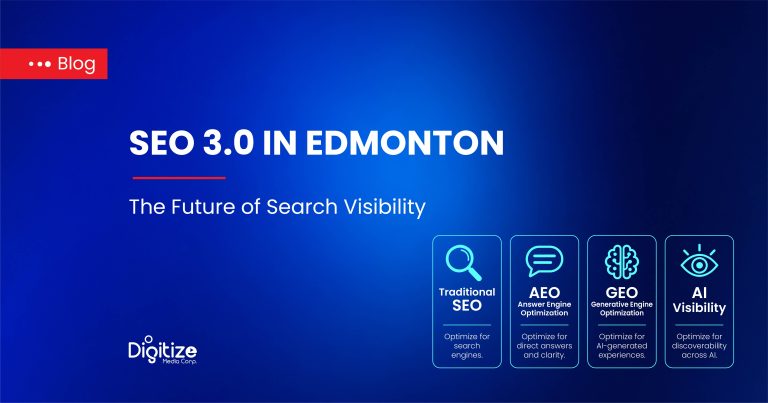


For Edmonton businesses, appearing in relevant Google searches can help increase online visibility and connect brands with customers who are actively looking for nearby products or services. local seo edmonton combines website optimization, Google Business Profile management, local citations, reviews, location-based content, and other search signals to improve local presence. For marketers, understanding how these elements work together is essential for developing a sustainable local search strategy.
Understanding Local SEO for Edmonton Businesses
Local SEO focuses on improving a business’s visibility when people search for products or services within a specific geographic area. It connects traditional search engine optimization with location-based signals that help search engines understand where a business operates.
For Edmonton marketers, an effective strategy should consider both the website and external business profiles. Consistency, relevance, useful information, and customer experience should guide every optimization decision.
What Is Local SEO and How Does It Work?
Local SEO is the process of improving a business’s online presence for searches with geographic intent. It can involve optimizing a Google Business Profile, managing local business listings, creating location-based content, earning genuine reviews, and improving website signals.
The objective is to make the business easier for search engines to understand and easier for local customers to discover.
Why Local Search Matters for Edmonton Businesses
Local search allows customers to discover businesses based on their needs and location. A strong presence can help companies reach users who are researching services, comparing providers, or looking for a nearby business.
Local visibility can also support brand awareness and provide customers with important information before they decide to contact or visit a business.
How Local SEO Differs From Traditional SEO
Traditional SEO may focus on broader search queries, while local SEO adds geographic relevance. Local strategies place greater emphasis on business location, Google Maps, local listings, reviews, and location-focused website content.
Both approaches can work together. A technically strong website with useful content provides a foundation, while local signals help establish geographic relevance.
How Google Determines Local Search Visibility
Google uses multiple signals to determine which businesses are relevant to local searches. Marketers should avoid treating any single factor as a guaranteed ranking method.
Instead, businesses should build a complete online presence that provides accurate information and demonstrates relevance to the searches they want to attract.
Relevance, Distance, and Business Prominence
Google’s local search systems consider factors such as relevance, distance, and prominence when determining local results. Businesses should clearly communicate their services and legitimate operating locations.
Relevance means the business matches the user’s search. Distance relates to the relationship between the business and searcher. Prominence reflects how established or well-known a business may be across relevant signals.
The Role of Website and Business Information
A website provides important context about services, locations, contact details, and business expertise. External listings and profiles can reinforce this information when they remain accurate and consistent.
How Search Intent Influences Local Results
Search intent explains what a person wants to accomplish with a search. Local SEO should address informational, commercial, and transactional intent with appropriate content and landing pages.
Optimize Your Google Business Profile
Google Business Profile is an important component of local search marketing. It allows businesses to provide customers with essential information through Google’s search and map experiences.
A profile should be treated as an ongoing marketing asset. Regular updates help ensure that customers receive accurate information.
Complete and Accurate Business Information
Provide accurate business details, including the official business name, address, phone number, website, hours, and relevant services. Incorrect information can create confusion and reduce customer trust.
Choose Relevant Business Categories and Services
Select categories that accurately describe the business. Add relevant services where available so potential customers can quickly understand what the company provides.
Add Photos, Updates, and Helpful Business Details
Relevant business photos and updates can provide additional context to potential customers. Information should be useful and authentic rather than created primarily to insert keywords.
Keep Your Profile Consistently Updated
Review business hours, services, contact details, photos, and other important information regularly. Update the profile when business circumstances change.
Build Consistent Local Business Listings
Local business listings can help reinforce important information about a company. However, marketers should prioritize reputable and relevant platforms instead of creating listings solely for the purpose of increasing quantity.
Consistency is particularly important when managing business information across multiple sources.
Maintain Consistent Name, Address, and Phone Information
Keep the business name, address, and phone number accurate across important platforms. Consistent information makes it easier for users and search engines to identify the business.
Choose Relevant Online Directories
Prioritize industry-specific, location-relevant, and reputable directories. A smaller number of high-quality listings can be more useful than numerous irrelevant profiles.
Manage Duplicate or Incorrect Listings
Review important directories for outdated, duplicate, or incorrect information. Correcting these details can improve consistency and reduce customer confusion.
Strengthen Local Citations
Local citations can reinforce information about a business’s identity and geographic presence. Focus on accuracy, relevance, and credibility when developing citations.
Local SEO Signal Checklist
| Local SEO Element | What Marketers Should Check | Recommended Frequency |
|---|---|---|
| Google Business Profile | Name, category, hours, services, photos | Monthly |
| Business Listings | Name, address, phone, website | Quarterly |
| Customer Reviews | New reviews and responses | Weekly |
| Website Location Pages | Accuracy, relevance, content quality | Quarterly |
| Contact Information | Consistency across platforms | Quarterly |
Create Location-Based Content for Edmonton Customers
Location-focused content can help businesses address geographically relevant searches. However, simply repeating Edmonton throughout a page does not create valuable local content.
Marketers should focus on genuine customer needs, search intent, and useful information connected with the local market.
Target Relevant Edmonton Search Queries
Research keywords associated with products, services, locations, questions, and customer problems. Group similar searches according to intent before developing content.
Create Useful Local Service Pages
Service pages should clearly explain what the business offers and where it operates. Each page should provide unique value instead of using identical content with different location names.
Address Local Customer Questions and Needs
Develop content that answers questions customers may ask before contacting a business. Useful explanations can demonstrate expertise and support informed decision-making.
Avoid Keyword Stuffing and Low-Value Local Pages
Keywords should appear naturally. Pages created mainly to capture search variations without providing useful information can weaken the overall quality of a website.
Use Customer Reviews to Strengthen Local Visibility
Reviews are an important part of a local business’s reputation. They can influence customer decisions and provide additional insight into how people perceive a company’s products or services.
A strong review strategy should always prioritize authentic feedback and professional communication.
Encourage Genuine Customer Reviews
Businesses can invite customers to leave honest reviews after receiving a service or purchasing a product. Customers should never be pressured to provide a specific rating.
Respond to Reviews Professionally
Respond to customer feedback respectfully. Address legitimate concerns appropriately and thank customers for positive feedback.
Monitor Review Quality and Sentiment
Review analysis can reveal recurring customer concerns and strengths. Marketers can use these insights to identify areas for improvement in both marketing and operations.
Avoid Manipulative Review Practices
Fake reviews, purchased feedback, and other manipulative techniques can damage trust. Businesses should focus on building a genuine customer reputation.
Optimize Your Website for Local Search
Website optimization supports local visibility by helping search engines understand a business and helping visitors find important information quickly.
Local optimization should work alongside broader technical, content, and usability improvements.
Add Clear Business and Contact Information
Make contact details and relevant location information easy to find. Ensure these details match important external profiles and listings.
Optimize Page Titles, Headings, and Content
Use descriptive titles and headings that accurately communicate the page topic. Include geographic terms where they naturally improve relevance.
Improve Mobile Usability and Website Performance
Many local searches occur on mobile devices. Responsive design, clear navigation, efficient loading, and accessible content can improve the user experience.
Strengthen Internal Linking Between Local Pages
Internal links can connect service pages, location pages, and informational content. This helps users navigate the website while providing search engines with additional context.
Measure Local SEO Performance
Measurement allows marketers to determine whether local optimization is contributing to meaningful outcomes. Rankings are useful, but they should be evaluated with other performance indicators.
A comprehensive measurement framework can help identify opportunities and guide future optimization.
Track Local Search Visibility
Monitor important local keywords and changes in visibility over time. Evaluate groups of keywords instead of relying on a single ranking position.
Monitor Google Maps and Search Performance
Review available performance information from Google and other analytics platforms. Pay attention to customer interactions such as calls, website visits, and direction requests.
Measure Website Traffic and Local Conversions
Track organic traffic and actions that matter to the business. Depending on the company, these could include contact forms, phone calls, appointments, inquiries, or sales.
Use Performance Data to Improve Your Strategy
Analyze performance data to identify content gaps, declining pages, technical issues, and new opportunities. SEO strategies should evolve according to measurable evidence.
Key Local SEO Metrics to Monitor
| Metric | What It Indicates | Why It Matters |
|---|---|---|
| Local keyword rankings | Search position for target terms | Shows visibility trends |
| Search impressions | How often pages appear | Measures search exposure |
| Click-through rate | Percentage of users clicking results | Indicates search-result appeal |
| Organic traffic | Visitors from search engines | Shows traffic growth |
| Calls and inquiries | Customer actions | Connects SEO with leads |
| Direction requests | Interest in visiting a location | Indicates local engagement |
| Conversions | Completed desired actions | Measures business impact |
Common Local SEO Mistakes Edmonton Businesses Should Avoid
Local SEO performance can suffer when businesses overlook basic information or rely on tactics that prioritize algorithms over users.
Regular audits can help marketers identify weaknesses and maintain a more reliable local presence.
Inconsistent Business Information
Different business names, addresses, phone numbers, or operating hours across platforms can create confusion. Review important listings periodically.
Ignoring Google Business Profile Optimization
An incomplete profile may not provide customers with enough useful information. Keep categories, services, hours, contact details, and other relevant information updated.
Creating Poor-Quality Local Content
Local content should answer genuine questions and provide meaningful information. Avoid publishing pages that only change geographic terms while keeping the same content.
Focusing Only on Rankings Instead of Customer Actions
Rankings are one measurement, but they should not be the sole objective. Traffic, leads, calls, inquiries, and conversions provide a broader understanding of SEO performance.
Frequently Asked Questions About Local SEO Edmonton
How does local SEO help Edmonton businesses get found on Google?
Local SEO helps businesses communicate their services, location, and relevance to search engines. Optimizing Google Business Profile, website content, local listings, reviews, and other local signals can improve visibility for geographically relevant searches.
How important is Google Business Profile for local SEO?
Google Business Profile is an important component of local search because it provides customers with business information across Google Search and Maps. Accurate categories, hours, services, contact details, photos, and reviews can make the profile more useful.
How can businesses improve their Google Maps rankings?
Businesses can work on accurate business information, relevant categories, genuine reviews, useful local content, reputable citations, and website optimization. Local SEO should be approached as a complete strategy rather than relying on one ranking tactic.
How long does local SEO take to show results?
The timeline varies based on competition, industry, location, website condition, authority, content quality, and the level of optimization required. Local SEO generally requires ongoing work and measurement before meaningful trends can be evaluated.
What should businesses look for in local SEO services Edmonton?
Businesses should assess a provider’s local search expertise, technical capabilities, content strategy, reporting process, communication, ethical practices, and measurable objectives. Yellow Bins can consider these factors when evaluating an SEO strategy for improving local search visibility.
Conclusion: Building Stronger Local Search Visibility in Edmonton
Local SEO can help Edmonton businesses become more discoverable when customers search for nearby products and services. However, successful local visibility requires more than inserting location keywords into a website. Businesses should combine Google Business Profile optimization, consistent business listings, genuine customer reviews, location-based content, website optimization, technical SEO, and performance measurement.
Marketers should also view local search as an ongoing process. Regular updates, technical reviews, content improvements, reputation management, and data analysis can help businesses maintain a stronger presence as search behavior changes.
Working with an experienced online marketing company can help businesses coordinate local SEO with broader digital marketing goals. For Edmonton businesses seeking structured digital marketing support, Digitize Media can be considered as part of a strategy focused on sustainable online visibility, relevant traffic, and measurable business outcomes.
Ready to improve your local visibility and reach more Edmonton customers?