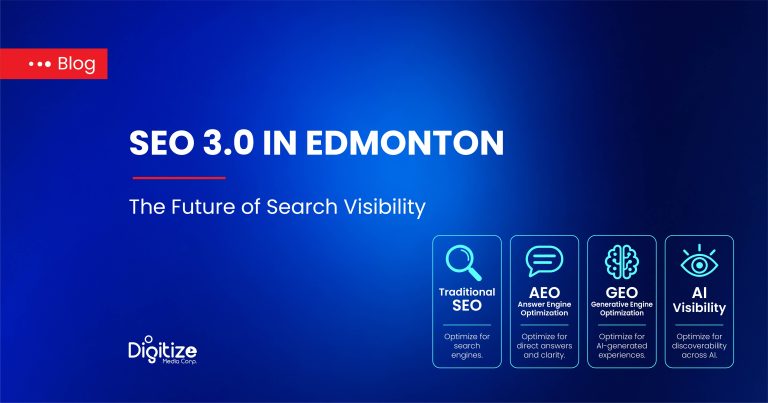


Local businesses need a strong online presence to connect with customers who are actively searching for products and services in their area. Search engines help users discover nearby businesses, compare available options, review services, and find contact information. This makes search engine optimization an important part of a local digital marketing strategy.
Businesses that want to improve their search visibility can consider professional SEO services in Edmonton to build a structured strategy focused on relevant keywords, website optimization, local visibility, and sustainable organic growth.
Understand Local Search Intent
A successful local SEO strategy starts with understanding what potential customers search for and what they expect to find. Search intent provides useful insight into whether someone is researching a topic, comparing services, or preparing to contact a business.
Understanding this intent allows businesses to create pages and content that provide relevant information at the right stage of the customer journey.
Research Location-Based Keywords
Local customers may search using combinations of services, products, locations, and phrases such as “near me.” Keyword research should identify the terms that are relevant to the business and its service areas.
Consider keywords based on:
- Primary services
- Specific products
- City names
- Neighborhoods
- Service areas
- Customer questions
- Local commercial searches
Avoid targeting keywords simply because they have high search volume. The keyword should have a clear connection to what the business offers.
Match Pages With Search Intent
Different keywords may require different types of pages. A service-related search may require a detailed service page, while an informational question may be better addressed through an educational blog.
Creating content that matches search intent can make a website more useful to visitors and more relevant to search queries.
Optimize Your Google Business Profile
A Google Business Profile is an important component of local search visibility. It can help potential customers find essential business information directly within search results and map listings.
Businesses should make sure their profile accurately represents their services and location.
Keep Business Information Accurate
Review important profile information regularly, including:
- Business name
- Address
- Phone number
- Website
- Business hours
- Primary category
- Secondary categories
- Services
- Business description
Consistency is important because conflicting business information across online platforms can create confusion for users and search engines.
Add Relevant Business Information
Businesses should provide useful information that helps potential customers understand what they offer. Service descriptions, business hours, photographs, and other profile details can make the listing more informative.
The information should remain accurate and reflect the current business offering.
Build Location-Focused Website Pages
A local business website should clearly communicate where it operates and what services it provides. Location-focused pages can help search engines understand the geographical relevance of the business.
However, each page should provide useful information rather than simply repeating location keywords.
Create Dedicated Service Pages
Each important service should have a dedicated page when there is enough useful information to justify it. A strong service page can explain:
- What the service involves
- Who it is intended for
- Key benefits
- Service areas
- Important considerations
- Frequently asked questions
- How customers can get started
Well-structured service pages can also provide natural opportunities to target relevant commercial search terms.
Create Useful Location Pages
Businesses serving multiple locations can consider dedicated location pages where appropriate. Each page should contain genuinely useful information about the service area and should not rely on duplicated content with only the city name changed.
Unique, helpful location content can provide more value to users searching for local services.
Improve On-Page SEO
On-page optimization helps search engines understand the purpose and relevance of individual website pages. It also improves how users navigate and understand the content.
Every important page should have a clear topic and logical structure.
Optimize Important Page Elements
Review elements such as:
- Page titles
- Meta descriptions
- H1 headings
- H2 and H3 headings
- URL structure
- Image alt text
- Internal links
- Relevant keywords
- Content quality
Keywords should be used naturally. Repeating the same keyword excessively can make content difficult to read and does not create a better user experience.
Strengthen Internal Linking
Internal links help users move between related pages and help search engines discover important content.
Link relevant blog posts to service pages and connect related service or location pages where appropriate. Anchor text should describe the destination page naturally.
Develop a Local Content Strategy
Content marketing can support local SEO by answering questions that potential customers are searching for. Instead of producing content solely for keywords, businesses should focus on information that is genuinely useful to their audience.
A consistent content strategy can also create more opportunities for search visibility.
Create Content Around Customer Questions
Useful local content can address:
- Service-related questions
- Buying considerations
- Maintenance information
- Industry topics
- Local service requirements
- Frequently asked questions
- Product or service comparisons
The topics should relate to the business and provide information that helps users make informed decisions.
Connect Content With Commercial Pages
Blog content should support the broader website structure. Relevant articles can link naturally to service pages, location pages, and other useful resources.
This creates a stronger relationship between informational content and pages designed to generate inquiries or conversions.
Build Local Citations and Consistent Business Information
Local citations are online references to a business’s name, address, phone number, or other business information. They can appear on directories, industry websites, local platforms, and business listings.
Maintaining consistent information across important platforms can support local visibility.
Review Your Business Listings
Businesses should periodically check whether their listings contain accurate information. Look for outdated addresses, incorrect phone numbers, duplicate profiles, or inconsistent business names.
The following areas can help guide a local citation strategy:
| Local SEO Element | What to Review |
|---|---|
| Business name | Keep the official business name consistent |
| Address | Confirm the current business location |
| Phone number | Use the correct primary contact number |
| Website | Link to the appropriate website |
| Business category | Select relevant categories |
| Service information | Keep services accurate and current |
| Business hours | Update regular and holiday hours |
Accurate listings make it easier for customers to find and contact the business.
Encourage and Manage Customer Reviews
Customer reviews can influence how people perceive a local business before contacting it. Reviews can also provide useful information about customer experiences and expectations.
Businesses should have a consistent process for requesting genuine customer feedback.
Respond Professionally to Reviews
Responding to reviews demonstrates that a business pays attention to customer feedback. Responses should remain professional, relevant, and appropriate to the situation.
Businesses should avoid using misleading review practices or creating artificial reviews. Authentic customer feedback provides more meaningful value to potential customers.
Strengthen Local SEO With Technical Optimization
Technical SEO ensures that search engines can access, understand, and index website content effectively. Even strong local content may perform poorly if technical problems interfere with crawling or user experience.
Improve Website Performance
Important technical areas include:
- Mobile responsiveness
- Page loading speed
- Secure HTTPS implementation
- Crawlability
- Indexation
- Broken links
- XML sitemap
- Structured data
- Website navigation
Mobile optimization is particularly important because many local searches occur on mobile devices. Visitors should be able to navigate the website comfortably regardless of screen size.
Use Local SEO Services Strategically
Businesses may need a combination of technical SEO, content optimization, local listing management, keyword research, and website improvements to build stronger search visibility. A coordinated approach can help ensure that individual SEO activities support the same overall business objectives.
Businesses targeting the Edmonton market can explore local seo services in edmonton when developing a strategy focused on improving local search visibility and reaching relevant customers.
Measure the Right SEO Metrics
SEO performance should be evaluated using metrics connected to business objectives. Rankings are useful, but they should not be the only measurement.
| SEO Metric | What It Can Indicate |
|---|---|
| Organic traffic | Growth in visitors from search engines |
| Local rankings | Visibility for relevant geographic searches |
| Search impressions | How frequently pages appear in search results |
| Click-through rate | How often users visit after seeing a result |
| Leads | Number of inquiries generated through organic search |
| Conversion rate | Percentage of visitors completing a desired action |
| Google Business Profile activity | User interactions with the business listing |
| Indexed pages | How much website content is available in search |
Tracking these metrics over time can help businesses identify improvements, opportunities, and areas that require additional optimization.
Focus on Long-Term SEO Improvement
Local SEO is an ongoing process rather than a one-time task. Search behavior, competitors, business offerings, and website content can change over time.
Regularly reviewing keyword performance, website content, local listings, technical health, and customer behavior can help businesses maintain a relevant online presence.
Keep Updating Valuable Content
Older pages should be reviewed when information becomes outdated. Update service details, business information, statistics, internal links, and other relevant content when necessary.
Refreshing useful content can help maintain its value for both search users and search engines.
Monitor Changes in Local Search
Local search results can change based on factors such as search location, relevance, website quality, business information, and user behavior. Businesses should monitor performance rather than assuming that a strategy will remain effective indefinitely.
Regular analysis provides opportunities to refine the SEO approach as the market develops.
Conclusion
Local businesses can attract more customers from search engines by combining relevant keyword research, Google Business Profile optimization, location-focused pages, strong on-page SEO, useful content, consistent business listings, customer reviews, technical improvements, and ongoing performance measurement.
The most effective approach is to build an SEO strategy around customer needs rather than focusing solely on rankings. When website content, local information, technical performance, and business goals work together, businesses can create a stronger foundation for long-term organic visibility.
If you want to discuss your local SEO or digital marketing requirements, Contact Us to explore the next steps for your business.
Frequently Asked Questions
1. What is the most important local SEO strategy for a small business?
There is no single strategy that works for every business. Important areas include Google Business Profile optimization, relevant keyword targeting, location-focused website content, technical SEO, consistent business information, customer reviews, and useful content.
2. How does local SEO help businesses attract customers?
Local SEO helps businesses become more visible when potential customers search for relevant products or services in a specific geographic area. Improved visibility can increase website visits, business profile interactions, inquiries, and other customer actions.
3. Should a business create separate pages for different locations?
Separate location pages can be useful when a business genuinely serves multiple areas and can provide unique, helpful information for each location. Pages should not simply duplicate the same content while changing the location name.
4. How long does local SEO take to produce results?
SEO results vary depending on factors such as competition, website condition, content quality, authority, search demand, and the current level of optimization. Local SEO should generally be approached as an ongoing strategy rather than a short-term campaign.
5. Which metrics should businesses track for local SEO?
Businesses can monitor organic traffic, local search visibility, impressions, click-through rates, leads, conversions, Google Business Profile interactions, and indexed pages. The most useful metrics depend on the business’s specific goals.