
Businesses today rely heavily on online visibility to attract customers, generate leads, and build credibility. While many factors influence search engine rankings, on-page SEO remains one of the most important. A well-optimized website helps search engines understand your content and improves the experience for visitors.
Following an effective on page SEO checklist for websites can help businesses improve rankings, increase organic traffic, and create a better user journey. Whether you are managing a small business website or a growing company portal, implementing the right on-page SEO practices can deliver long-term results.
Businesses looking to strengthen their digital presence can also benefit from Digitize Media, which focuses on helping organizations grow through innovative marketing technology solutions and practical digital strategies.
What Is On-Page SEO and Why Does It Matter for Business Websites?
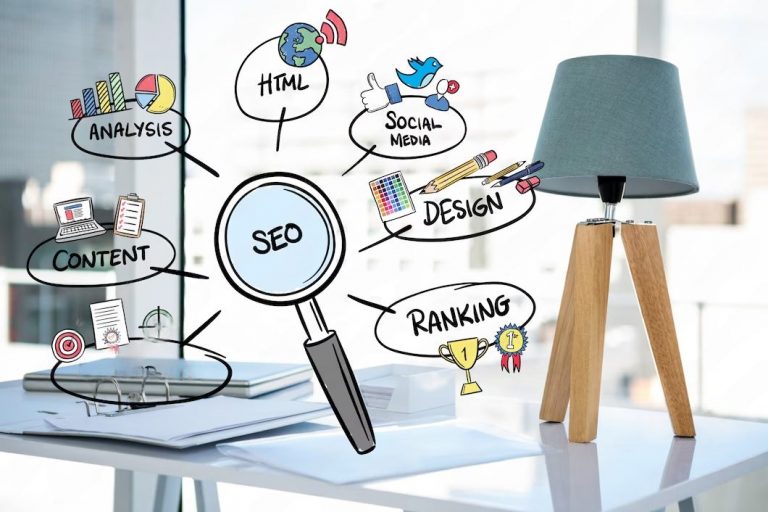
On-page SEO refers to all optimization activities performed directly on a website to improve search engine visibility and user experience. It includes content optimization, meta tags, internal linking, URL structure, image optimization, and technical improvements.
Understanding the Role of On-Page SEO
On-page SEO helps search engines determine what a webpage is about. When pages are properly optimized, search engines can crawl, index, and rank content more effectively. Unlike off-page SEO, which focuses on external signals such as backlinks, on-page SEO is fully within your control.
How On-Page SEO Impacts Search Visibility
Effective on-page SEO contributes to several important business goals:
- Improved search engine rankings
- Increased organic website traffic
- Better user experience
- Higher engagement rates
- Increased lead generation opportunities
- Improved conversion potential
A strong foundation ensures that both users and search engines can easily access and understand your content.
Start with Comprehensive Keyword Research
Keyword research serves as the starting point for every successful SEO strategy. Understanding what users search for helps create content that matches their needs and expectations.
Identifying Primary and Secondary Keywords
The primary keyword should align with the main topic of the page. Secondary keywords help support the content and provide additional context.
For this topic, the focus keyword is on page SEO checklist for websites, while related phrases include meta tags optimization, internal linking SEO, and keyword placement tips.
Keyword Placement Tips for Better Optimization
Proper keyword placement helps search engines understand page relevance without compromising readability.
Important locations include:
- Page title
- Meta description
- H1 heading
- H2 and H3 headings
- Introduction paragraph
- Body content
- Image alt text
- URL structure
- Conclusion
Keywords should always appear naturally within the content.
Avoiding Keyword Stuffing
Using keywords excessively can harm both rankings and user experience. Instead of repeating the same phrase unnaturally, focus on related terms and conversational language that provides value to readers.
Optimize Your Meta Tags for Higher Click-Through Rates
Meta tags play an important role in how pages appear in search engine results. They influence both visibility and click-through rates.
Meta Title Optimization Best Practices
A well-crafted title tag should clearly communicate the page topic while encouraging users to click.
Best practices include:
- Include the primary keyword near the beginning
- Keep titles concise and descriptive
- Make titles relevant to user intent
- Avoid duplicate title tags
A strong title helps improve both rankings and engagement.
Meta Description Optimization
Meta descriptions provide a summary of page content. While they may not directly influence rankings, they can significantly impact click-through rates.
Effective meta descriptions should:
- Include the primary keyword naturally
- Explain the page value clearly
- Encourage users to learn more
- Stay within recommended character limits
Common Meta Tag Mistakes to Avoid
Many websites overlook simple optimization opportunities.
Common mistakes include:
- Missing title tags
- Duplicate meta descriptions
- Overly long titles
- Generic descriptions
- Keyword stuffing
Regular audits can help identify and fix these issues.
Create SEO-Friendly Website Content
Content remains one of the most important elements of any on-page SEO strategy. High-quality content helps satisfy user intent and build authority.
Writing Content That Matches Search Intent
Search engines prioritize content that directly answers user questions. Understanding intent allows businesses to create pages that align with audience expectations.
Types of search intent include:
- Informational
- Navigational
- Commercial
- Transactional
Business websites often benefit from creating content that addresses common customer questions and challenges.
Structuring Content with Proper Headings
A logical heading structure improves readability and organization.
Recommended hierarchy:
- One H1 per page
- Multiple H2 sections
- Supporting H3 subsections
This structure helps both users and search engines understand content flow.
Improving Readability and User Experience
Easy-to-read content keeps visitors engaged for longer periods.
Readability improvements include:
- Short paragraphs
- Clear language
- Bullet points
- Descriptive headings
- Simple sentence structures
Good readability often contributes to improved user engagement signals.
Optimize URLs and Site Structure
Website structure plays a significant role in SEO performance. Organized websites are easier to navigate and crawl.
Creating Clean and Descriptive URLs
URLs should clearly describe page content.
Examples of good URL practices include:
- Using relevant keywords
- Keeping URLs short
- Avoiding unnecessary characters
- Using hyphens between words
Simple URLs improve both usability and search visibility.
Building a Logical Content Hierarchy
A structured website helps users find information quickly. It also supports efficient crawling by search engines.
Content should be organized into clear categories and subcategories that reflect user needs.
Why Site Structure Matters for SEO
A strong site structure offers several benefits:
- Improved crawlability
- Better indexing
- Enhanced user navigation
- Stronger content relationships
- Reduced bounce rates
Every page should fit logically within the overall website architecture.
Strengthen Internal Linking SEO
Internal linking is one of the most effective yet overlooked on-page SEO techniques.
What Is Internal Linking SEO?
Internal linking refers to connecting pages within the same website. These links help distribute authority and guide users toward related content.
Internal links also help search engines discover new pages and understand website structure.
Best Practices for Internal Linking
An effective internal linking strategy includes:
- Using descriptive anchor text
- Linking relevant content
- Prioritizing important pages
- Maintaining logical link placement
- Updating links regularly
Strategic internal linking improves both usability and SEO performance.
Common Internal Linking Mistakes
Businesses should avoid common linking errors such as:
- Broken internal links
- Excessive linking
- Generic anchor text
- Orphan pages with no internal links
Regular maintenance helps preserve the value of internal linking efforts.
Optimize Images and Media Elements
Images contribute significantly to user experience, but they can also affect SEO performance.
Image Compression and Page Speed
Large image files often slow down websites. Compressing images helps improve loading times without sacrificing quality.
Faster websites generally provide a better user experience and support stronger SEO outcomes.
Alt Text Optimization
Alt text helps search engines understand image content and improves accessibility.
Effective alt text should:
- Describe the image accurately
- Include relevant keywords when appropriate
- Remain concise and natural
Well-written alt text benefits both users and search engines.
File Naming Best Practices
Image file names should be descriptive and meaningful.
Examples include:
- on-page-seo-checklist.jpg
- meta-tags-optimization.png
- internal-linking-guide.jpg
Clear file names provide additional context for search engines.
Improve Technical On-Page SEO Factors
Technical optimization supports overall website performance and search visibility.
Mobile-Friendly Website Optimization
Most users now browse websites using mobile devices. Responsive design ensures a consistent experience across different screen sizes.
Mobile-friendly websites are essential for modern SEO success.
Core Web Vitals and Page Speed
Core Web Vitals measure important aspects of user experience.
Key areas include:
- Loading performance
- Interactivity
- Visual stability
Improving these metrics can enhance both rankings and user satisfaction.
Schema Markup and Structured Data
Schema markup provides additional context to search engines. It can help generate rich search results and improve content visibility.
Structured data supports better communication between websites and search engines.
HTTPS and Website Security
Secure websites build trust with users and search engines.
Benefits include:
- Data protection
- Improved credibility
- Enhanced user confidence
- Better search engine signals
HTTPS should be implemented across all business websites.
On-Page SEO Checklist for Business Websites
Use this practical checklist to evaluate your website:
- Conduct keyword research
- Optimize title tags
- Optimize meta descriptions
- Use a clear H1 heading
- Structure content with H2 and H3 headings
- Apply proper keyword placement
- Improve content readability
- Optimize URLs
- Compress images
- Add descriptive alt text
- Strengthen internal linking
- Fix broken links
- Improve mobile responsiveness
- Enhance page speed
- Implement schema markup
- Secure the website with HTTPS
- Monitor indexing status
- Update outdated content regularly
Leverage the Expertise of Digitize Media
Businesses need more than basic SEO tactics to achieve sustainable growth. Digitize Media helps businesses grow by delivering innovative marketing technology solutions. Through the right combination of digital tools, industry expertise, and hands-on implementation, businesses can build stronger online foundations and improve long-term performance.
Our approach combines proven practical insights with an energetic and forward-looking mindset, helping organizations adopt effective strategies that support measurable business growth in an increasingly competitive digital landscape.
Common On-Page SEO Mistakes That Hurt Rankings
Many websites fail to achieve their full potential because of avoidable optimization mistakes.
Ignoring Search Intent
Content that does not align with user intent often struggles to rank and engage visitors effectively.
Poor Keyword Placement
Even valuable content can underperform when keywords are missing from critical areas such as titles, headings, and introductions.
Weak Internal Linking Strategy
Without proper internal linking, search engines may have difficulty understanding content relationships across the website.
Missing Meta Tags
Missing title tags and meta descriptions reduce visibility and lower click-through opportunities.
Slow Website Performance
Page speed issues negatively impact user experience and can contribute to lower rankings and higher bounce rates.
Conclusion
A successful on page SEO checklist for websites involves much more than adding keywords to a page. Businesses must focus on content quality, meta tags optimization, internal linking SEO, technical performance, site structure, and user experience.
By implementing these best practices consistently, business websites can improve visibility, attract qualified traffic, and provide greater value to visitors. On-page SEO is not a one-time task. Regular reviews, updates, and optimization efforts help ensure long-term success in search engine results.
Frequently Asked Questions (FAQs)
1. What is an on-page SEO checklist for websites?
An on-page SEO checklist is a collection of optimization tasks that improve website visibility, user experience, and search engine rankings.
2. How often should I update on-page SEO elements?
Most websites should review and update on-page SEO elements at least every few months or whenever major content changes occur.
3. Why is meta tags optimization important for SEO?
Meta tags help search engines understand page content and influence click-through rates from search results.
4. How does internal linking SEO improve rankings?
Internal linking helps distribute authority across pages, improves crawlability, and guides users to related content.
5. What are the most important keyword placement tips for business websites?
Keywords should appear naturally in title tags, headings, URLs, introductions, body content, image alt text, and conclusions to improve relevance and visibility.